Greenland: The Frozen Paradise Exploring Nature, Culture, And Opportunities - Greenland has become an increasingly popular destination for eco-tourism and adventure travel. Visitors are drawn to its stunning natural landscapes, including glaciers, fjords, and icebergs. Activities such as dog sledding, kayaking, and hiking offer unique opportunities to experience the Arctic environment firsthand. The tourism industry in Greenland is growing steadily, with more international visitors arriving each year. Local communities are actively involved in promoting sustainable tourism practices to minimize environmental impact while maximizing economic benefits.
Greenland has become an increasingly popular destination for eco-tourism and adventure travel. Visitors are drawn to its stunning natural landscapes, including glaciers, fjords, and icebergs. Activities such as dog sledding, kayaking, and hiking offer unique opportunities to experience the Arctic environment firsthand.
/179769392-58b9cab13df78c353c374860.jpg)
Traditional activities such as hunting and fishing remain an integral part of Greenlandic life, especially in rural communities. The Inuit language, Kalaallisut, is the official language of Greenland, and efforts are being made to preserve and promote it alongside Danish.
Greenland faces several environmental challenges, including climate change, pollution, and overfishing. The rapid melting of the Greenland Ice Sheet is a major concern, as it contributes to rising sea levels worldwide. Efforts are being made to mitigate these effects through conservation programs and sustainable development practices.
However, Greenland's economy faces challenges due to its remote location and harsh climate. The government has been working to diversify the economy and reduce dependency on subsidies from Denmark. Investments in infrastructure and education are key components of this strategy.
Improving infrastructure is a priority for Greenland, as it seeks to enhance connectivity and support economic growth. Investments in transportation, communication, and energy systems are underway to modernize the country's infrastructure. The construction of new airports and roads is expected to boost tourism and facilitate trade.
The climate of Greenland is predominantly Arctic, with cold temperatures and harsh weather conditions. However, the climate varies significantly across different regions of the island. Coastal areas tend to be milder compared to the interior, where the ice sheet dominates.
In conclusion, Greenland is a remarkable destination that offers unparalleled opportunities for exploration and discovery. From its stunning natural landscapes to its rich cultural heritage, Greenland has something to offer everyone. As the world becomes increasingly aware of the importance of the Arctic region, Greenland's role in shaping the future of the planet cannot be overstated.
International collaborations have led to the establishment of research stations and observatories in Greenland, facilitating groundbreaking discoveries. The data collected in Greenland contributes significantly to global efforts to combat climate change and protect the environment.
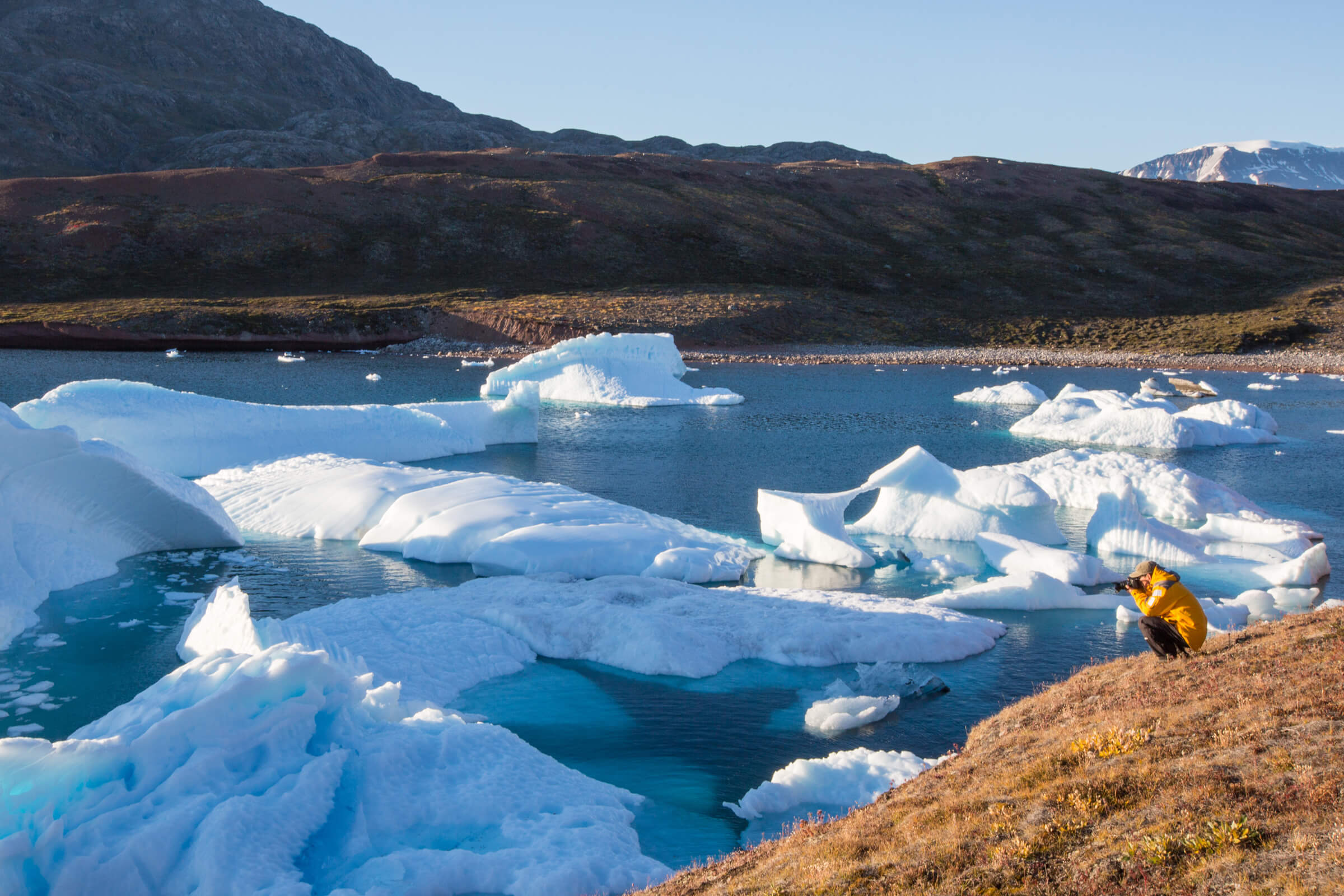
Greenland's natural environment is characterized by its unique biodiversity, adapted to survive in extreme conditions. The island is home to a variety of wildlife, including polar bears, musk oxen, Arctic foxes, and numerous bird species. The marine life around Greenland is equally diverse, featuring whales, seals, and fish.
Greenland is a vast island situated in the Arctic region, with an area of approximately 2.166 million square kilometers. It is the largest island in the world that is not part of a continent. The island is bordered by the Arctic Ocean to the north, the Greenland Sea to the east, and the Atlantic Ocean to the south and west.
Renewable energy sources, such as wind and hydroelectric power, are being explored to reduce reliance on fossil fuels and promote sustainability. These developments aim to improve the quality of life for Greenlanders while minimizing environmental impact.
In summer, temperatures can rise above freezing in coastal areas, allowing for a short growing season. Winter, on the other hand, brings long periods of darkness and extremely cold temperatures, especially in the northern regions. The aurora borealis, or northern lights, is a common sight during the winter months, adding to the island's allure.